
Tennis bracelets have long been a staple in the world of jewelry. Their history dates back to the 1920s, yet they gained significant recognition in the late 20th century.
Featuring a continuous line of diamonds or gemstones, these bracelets epitomize elegance and versatility.
However, the journey of this accessory is filled with iconic moments and design variations that continue to captivate. What makes them so enduring in today's fashion landscape?
Although the term "tennis bracelet" may suggest a modern invention, its origins can be traced back to the 1920s. This style of bracelet, characterized by a flexible chain adorned with a continuous line of diamonds or other gemstones, emerged during an era when Art Deco designs were in vogue.
Initially known as "eternity bracelets," their appeal lay in their elegant simplicity and versatility, making them suitable for both formal and casual occasions. The name "tennis bracelet" gained prominence in the 1980s after a notable incident involving professional tennis player Chris Evert.
During a match, she lost her diamond bracelet and paused the game to search for it, capturing the attention of spectators. This moment solidified the association between the bracelet and the sport, transforming it into a fashionable accessory. Despite its evolution over the decades, the tennis bracelet remains a symbol of timeless elegance and sophistication.
Throughout the years, several iconic moments have greatly shaped the popularity of the tennis bracelet. One of the most pivotal events occurred during the 1987 US Open when tennis star Chris Evert famously lost her diamond bracelet on the court. This incident not only brought the piece into the spotlight but also led to the term "tennis bracelet" becoming synonymous with the elegant design.
Additionally, celebrities have played a significant role in solidifying the bracelet's status as a fashion staple. For instance, in the early 2000s, stars like Jennifer Aniston and Kate Middleton were often seen adorned with tennis bracelets, further embedding them in popular culture.
Moreover, high-profile red carpet appearances have showcased the versatility of tennis bracelets, shifting them from sporty to chic. These moments have guaranteed that the tennis bracelet remains a timeless accessory, cherished by many across generations.
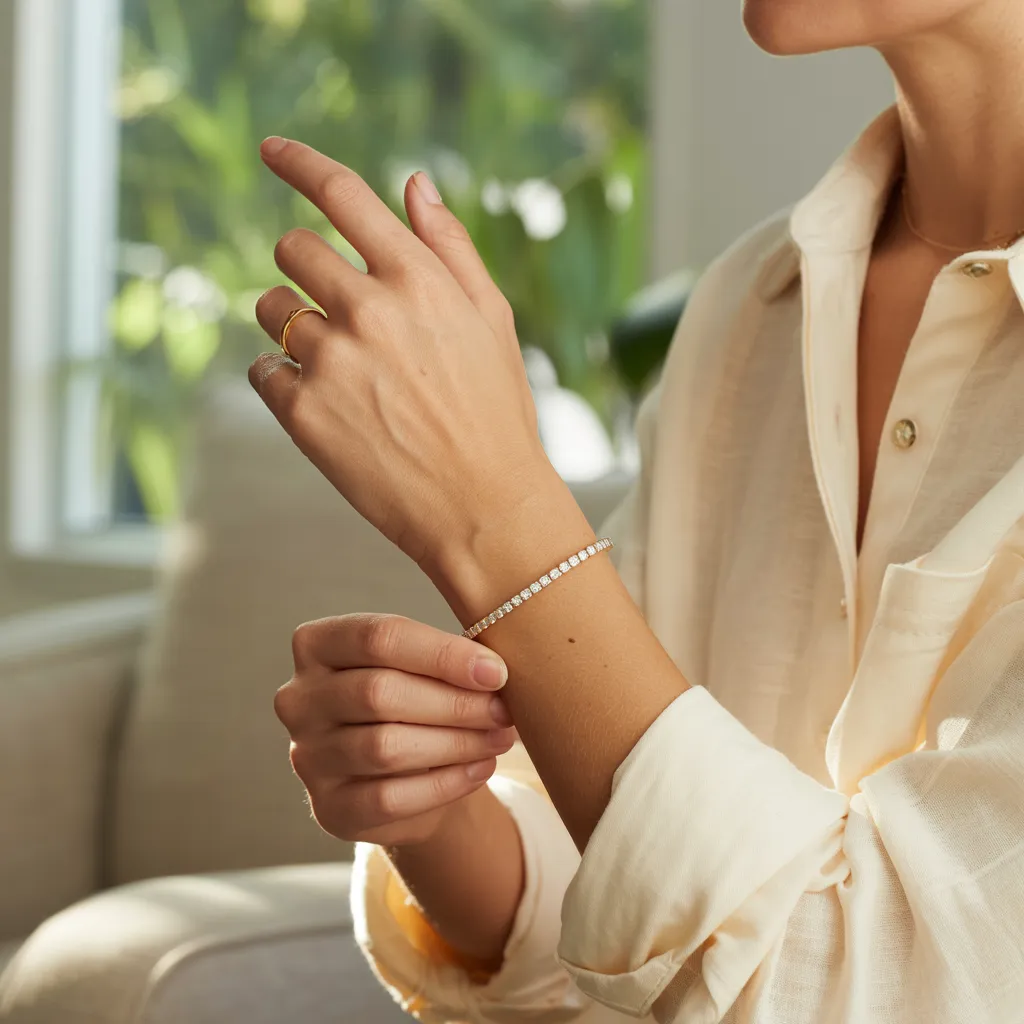
The classic tennis bracelet, characterized by its symmetrical arrangement of diamonds or gemstones, has evolved considerably over the years. Traditionally, these bracelets feature a single row of meticulously set round diamonds, creating a continuous sparkle that exudes elegance.
However, variations have emerged that incorporate different shapes and colors of stones, allowing for personal expression. Some designs include alternating gemstones, such as sapphires or emeralds, adding a unique flair while maintaining the classic aesthetic.
Additionally, the use of mixed metals, like white and yellow gold, introduces a contemporary twist to this timeless piece. Despite these variations, the essence of the classic tennis bracelet remains intact, making it a versatile accessory for any occasion.
Modern interpretations of the tennis bracelet have embraced innovative design variations that extend far beyond the traditional single row of diamonds. Contemporary styles often incorporate mixed materials, including gold, silver, and even leather, creating a unique aesthetic that appeals to diverse tastes.
In addition, designers are experimenting with varying stone shapes and sizes, introducing colored gemstones and alternative crystals to add boldness and individuality. Some bracelets feature intricate patterns or interlocking links, enhancing their visual appeal.
Moreover, adjustable lengths and customizable options allow wearers to express personal style, making the tennis bracelet more versatile than ever. This evolution guarantees that the tennis bracelet remains relevant, blending classic elegance with modern flair, appealing to both traditionalists and trendsetters alike.
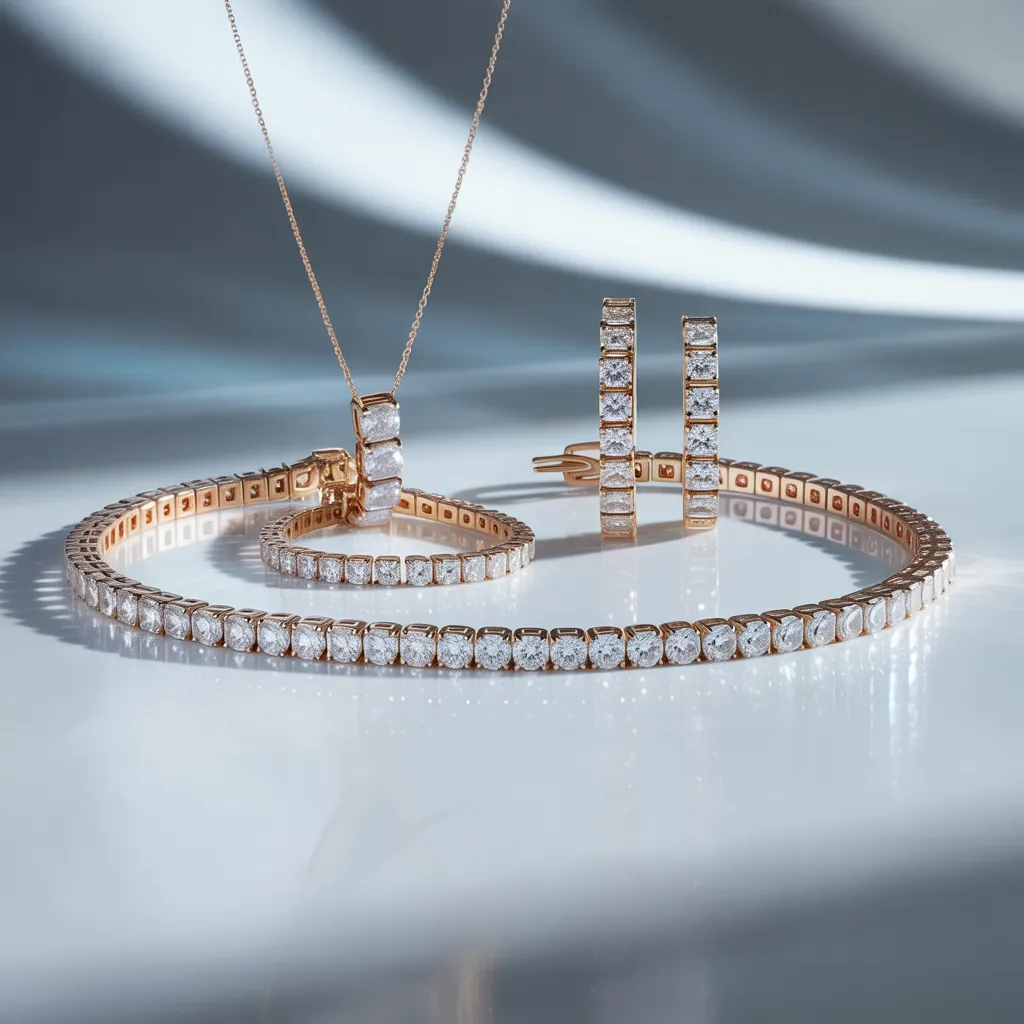
Choosing the right tennis bracelet involves a careful consideration of personal style and preferences. Individuals should evaluate their wardrobe and lifestyle to guarantee that the bracelet complements their overall aesthetic.
For those who favor a classic look, traditional diamond tennis bracelets may be the ideal choice. In contrast, individuals with a contemporary style might prefer colored gemstones or unique metal designs. Additionally, the size and width of the bracelet can affect its appearance; slender options offer a delicate touch, while chunkier designs make a bold statement.
Ultimately, it's essential for wearers to select a tennis bracelet that resonates with their unique personality, enhancing their individual style while remaining versatile enough for various occasions.
While the allure of a stunning tennis bracelet can be irresistible, it is essential for buyers to establish a budget before commencing their search. Understanding one's financial limits helps narrow down options and prevents overspending.
Tennis bracelets can vary widely in price, influenced by factors such as the type of metal, quality of gemstones, and brand reputation. It is advisable for buyers to research average price ranges and consider whether they prefer a classic design or something more extravagant.
Additionally, buyers should factor in potential maintenance and insurance costs for higher-end pieces. By determining a clear budget, individuals can make informed decisions and find a tennis bracelet that not only reflects their style but also aligns with their financial plan.
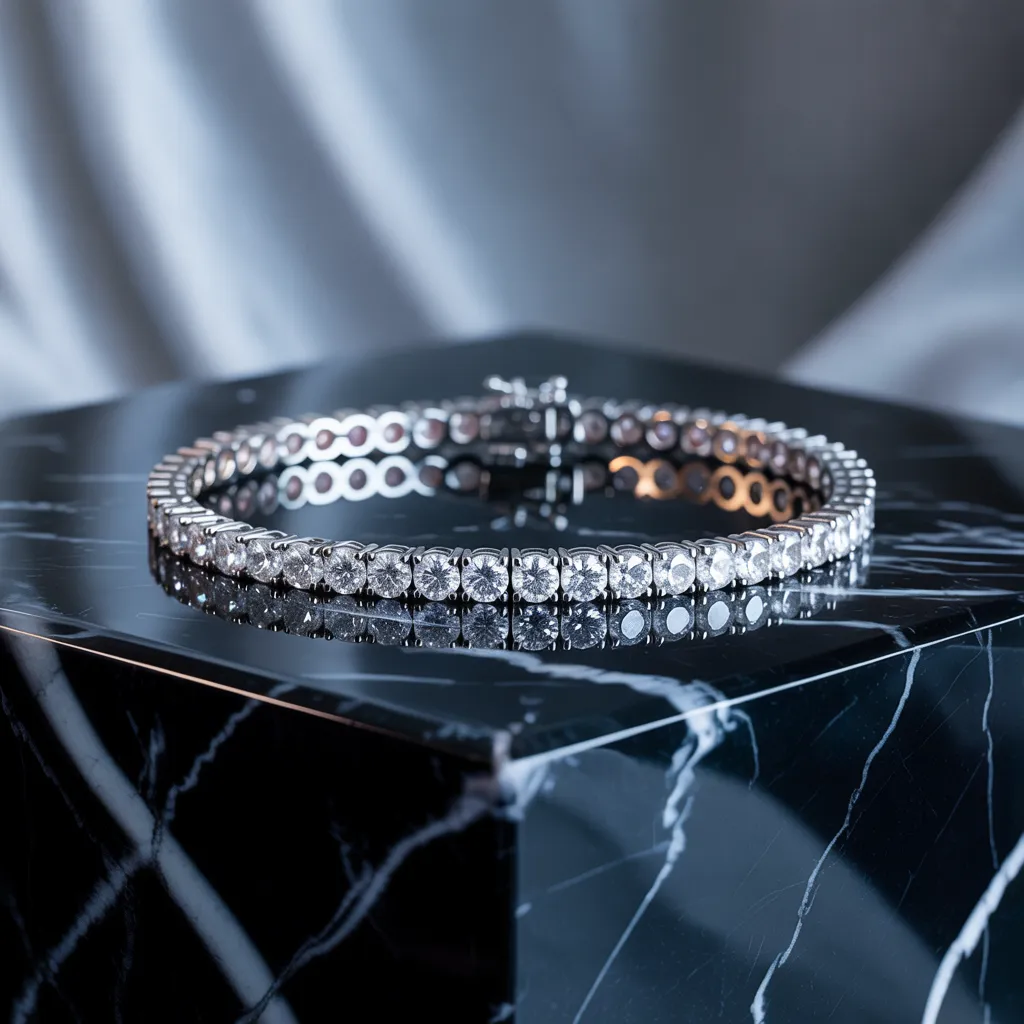
Tennis bracelets often come with a warranty or guarantee, depending on the retailer or manufacturer. This typically covers defects in craftsmanship and materials, ensuring customer satisfaction and protection for the investment made in the jewelry.
Tennis bracelets are indeed suitable for everyday wear. Their elegant design and versatile nature allow them to complement both casual and formal outfits, making them a popular choice for those seeking stylish yet practical jewelry options.
Tennis bracelets can typically be resized, but the ease of resizing depends on the bracelet's design and materials. Jewelers often adjust them by adding or removing links, ensuring a proper fit for the wearer.